A sad day today, as one of the brightest lights to ever shine on bluegrass and country music has died.
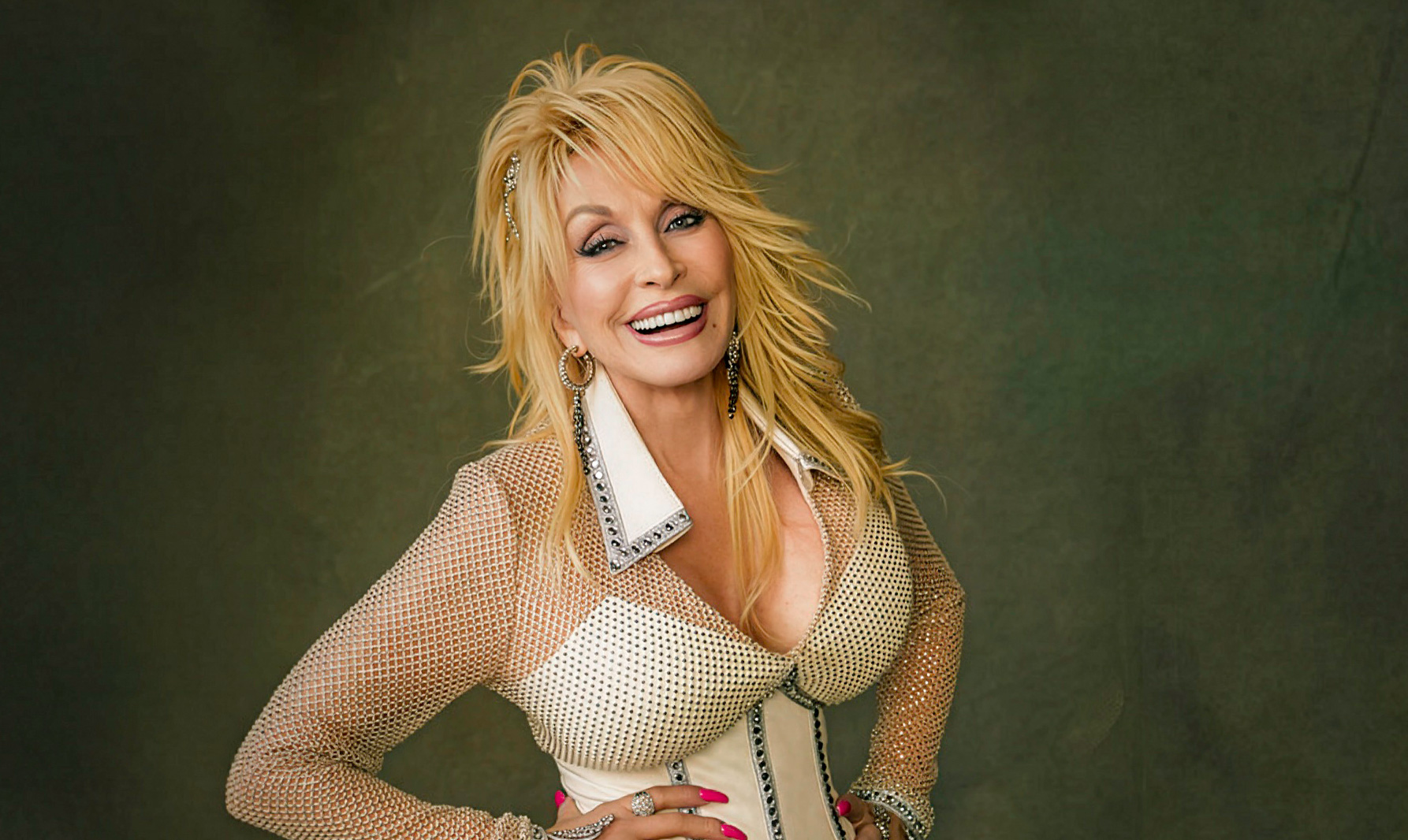
Dolly Parton, a larger-than-life figure whose impact on popular music over the past 60 years has been immense, has passed at 80 years of age.
Famously born and raised in east Tennessee, Parton began as a country singer in 1967, before moving into the pop realm with a number of hit songs in the latter 1970s, along with a film role in 1980’s 9 to 5, alongside Lily Tomlin and Jane Fonda which made her a household name. Around the turn of the century, Dolly recorded a number of bluegrass-oriented projects, which has endeared her even more solidly to our world.
Those of a certain age will recall her early days alongside Porter Wagoner on television, where her sparkling personality and honest and authentic Appalachian singing voice won her fans from the start. In 1973, Dolly released Jolene, one she had written, which has become a signature song for her. Since that time its been covered dozens of times, including several bluegrass versions, where the song fits perfectly into the style.
Other huge Parton hits include I Will Always Love You, which she composed as a tribute to Wagoner when the two parted ways, 9 to 5, Here You Come Again, Coat of Many Colors, Islands in the Stream, and Two Doors Down.
Dolly is also recognized for her business savvy, and her generosity to those in need, particularly near her native region of Tennessee. Those two came together in her development of the DollyWood theme park and nearby water park, which played a major part in the revitalization of the Sevierville, Pigeon Forge, and Gatlinburg areas, now a major tourist destination. It’s not an exaggeration to suggest that this part of the state could still be a somewhat backward, poverty-infested territory if not for her intervention.
Such a major figure as this will be eulogized at great length in the country music and mainstream media, so let us focus on a part they are less likely to mention. That is her love for, and contributions to, bluegrass music.
Throughout her life, in interviews and on stage, Dolly would talk about hearing banjos and fiddles around the house and region where she grew up. Many of her songs carried an Appalachian flair, but it wasn’t until The Grass Is Blue in 1999 that she made a full bluegrass album. The record included assistance from a who’s who of bluegrass artists, including Jerry Douglas, Sam Bush, Stuart Duncan, Alison Krauss, and Rhonda Vincent. It went on to win the Best Bluegrass Album award at the Grammys the following year.
In 2001 she followed it up with Little Sparrow, which was less full-on bluegrass, including other folk and old time influences. Krauss again sang harmony, as did Sonya and Becky Isaacs, and Carl Jackson. Also participating were Chris Thile, Barry Bales, Jim Mills, Bryan Sutton, and again Jerry Douglas and Stuart Duncan. Others adding harmonies were Claire Lynch, Dan Tyminski, and Darrin Vincent.
Both were terrific recordings, and bluegrass and old time fans deeply appreciate her playing for a time in our sandbox. Each is worthy of the acclaim it received, and the two belong in any serious bluegrass lover’s library.
There is a certainty that we will never see another artist like Dolly Parton, and she will be missed in every corner of the world today.
R.I.P., Dolly Parton.