
Picture this:
You just wrote a song you love. Maybe you even recorded a demo in your living room. You’re thinking about releasing it yourself, or maybe pitching it to some other bands that are going in the studio soon…
Then the question hits:
“Do I need to copyright this before I put it out into the world?“
And suddenly you’re down a rabbit hole of conflicting advice, legal terms, and worst-case scenarios.
Let’s clear it up.
What Copyright Actually Is (and Isn’t)
Here’s the truth most people don’t explain clearly:
The moment you write a song, you already own the copyright.
If you:
- Write lyrics in a notebook
- Record a voice memo
- Track a demo
…it is automatically protected under US law.
So no—you don’t have to file anything to “have rights.”
But that doesn’t mean you’re fully protected.
The Two Types of Copyright (This Is Where People Get Confused)
There are two separate copyrights in music:
1. The Composition (The Song Itself)
- Melody
- Lyrics
- Chord structure
This is the songwriting.
2. The Sound Recording (The Master)
- The final audio file
- The version people hear on Spotify, Apple Music, or radio
This is the recording.
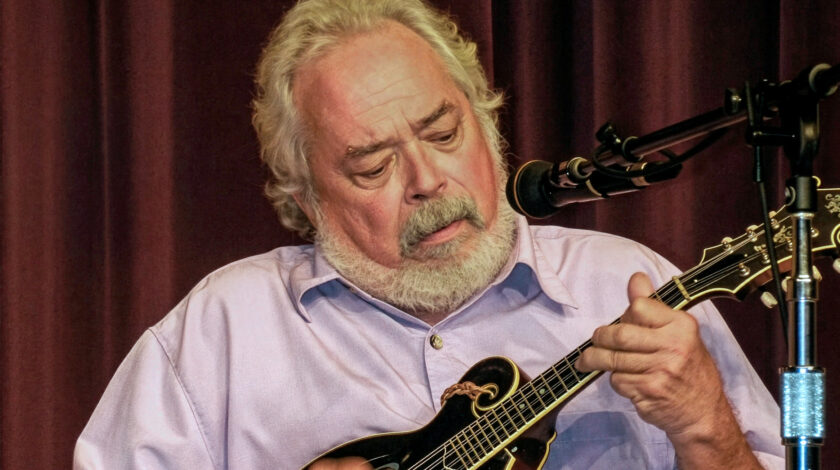
If you write a song on your mandolin, that’s the composition.
If you record it in a studio, that’s the sound recording.
They are separate—and they matter separately.
So… Should You Actually Register Your Copyright?
Here’s the honest answer:
Reasons TO Register
You can enforce your rights
Without registration, you can’t sue for infringement in US court.
You can claim damages
If someone uses your work without permission, registration gives you leverage.
It creates a public record
Important for licensing, disputes, and long-term catalog value.
It’s relatively affordable
Think of it as inexpensive insurance on something you created.
Reasons You Might Not (Right Away)
You’re writing constantly
Registering every demo can get expensive.
You haven’t released it yet
Many artists wait and register closer to release.
The immediate risk is low
Most bluegrass artists aren’t dealing with large-scale infringement early on.
Can You Just Copyright the Recording Later and Call It Covered?
This is a big misconception.
“I’ll just wait and copyright the album when it’s done—that covers everything.“
👉 Not exactly.
If you only register the sound recording, you are protecting:
- That specific recording
But not fully protecting:
- The underlying song (melody, lyrics, composition)
HOWEVER
The biggest danger in our industry right now isn’t that someone will outright steal your song word for word…it’s that they steal the idea, change a few things, and release their own version first.
This cringworthy situation has happened more times than I care to mention. It might be stone cold on purpose, or your idea might be good enough to lodge in someone else’s mind and they don’t realize they are stealing your song when they sit down to write their next hit, and this “original” idea hits them.
A Practical Approach for Bluegrass Artists
Here’s what I see working best:
✔️ Register songs you are:
- Releasing commercially
- Pitching to radio
- Building your catalog around
✔️ Don’t feel pressure to register every rough idea
✔️ Handle it as part of your release process, not something that delays it
What About SoundExchange and SiriusXM Royalties?
This is one of the most common questions I hear:
“Do I need a sound recording copyright to get paid from SiriusXM or SoundExchange?“
No—you do NOT need a registered copyright to collect SoundExchange royalties.
How It Actually Works
SoundExchange collects royalties for digital radio plays, including:
- SiriusXM
- Pandora
- Internet radio
These payments are tied to the sound recording, not the composition.
What You Do Need
To get paid, you need to:
✔️ Register with SoundExchange
✔️ Claim your recordings
✔️ Have your music actively playing on those platforms
Where Copyright Fits In
- Copyright registration = legal protection
- SoundExchange registration = getting paid
They are completely separate systems.
Where You Actually Go to Register
You file directly through the:
👉 U.S. Copyright Office
https://copyright.gov
You’ll use their online system to submit your application.
What You’ll Need Before You Start
Have this ready so you don’t get stuck halfway:
For the Composition
- Song title(s)
- Writer(s)
- Ownership splits
- Lyrics or demo
For the Sound Recording
- Final audio file
- Performer(s)
- Producer (if applicable)
- Master owner
General Info
- Your name and contact info
- Release status (published or unpublished)
- Release date (if applicable)
Final Thought
Copyright registration protects your work, but it’s important to understand what that protection really means. Enforcing a copyright in court can involve significant legal costs, and proving infringement isn’t always simple—especially if someone has altered a song enough to argue that their version is different.
That said, registration is still a smart step for songs you believe in, particularly ones you plan to release commercially or build around. It creates a public record of ownership and gives you the legal standing you would need if a dispute ever arose.
And here’s a practical tip: you can often register multiple songs together in a single application, which can save money when the writer and publisher information is the same for each song.
In other words, copyright isn’t something to obsess over—but it is something to handle thoughtfully as part of building your catalog.
If you want a deeper dive into this step—and the rest of the release process—I cover it all in my e-book, The Indie Release Roadmap.