
The eighth Fiddle Hell Online just wrapped up four days of 33 live online workshops to learn from, 184 live jams to play along with, and 33 live concerts to enjoy. One hundred world-class artists taught and performed, offering workshops for beginners, advanced, and everything in between. Over six hundred attended the festival, about the same as last year, and about a third of those were newcomers. The word has gotten out!
As a fiddler, first-time attendee, Zoom host and someone who has never attended a Zoom meeting, this event introduced me to a whole new and satisfying way to learn.
The camp/festival – it feels like both – offered lessons for more than just us fiddlers. Mandolin, guitar, banjo, bass, and cello were some of the other workshops available. The variety of different musical styles offered was a welcome surprise as many of them are not offered at a traditional bluegrass festival. Being familiar with New England, Irish, Scottish, Cape Breton, and bluegrass fiddle playing, I welcomed the opportunity to hear and learn tunes from other traditions, including French Canadian, and jazz, swing, Scandinavian, klezmer, blues, electric, world, and more.
Fiddle Hell started in 2005, holding a small in person camp/festival. Missouri fiddler Dale Hopkins began the first Fiddle Hells, the name referring to what he considered the unique sound of many fiddlers playing a tune together. The first two gatherings offered performances for the public and some informal sharing of tunes and techniques. In 2009 Dave Reiner expanded the concept to make the Fiddle Hell Massachusetts Festival more of a hands-on event with hundreds of scheduled workshops, jam sessions, and concerts. These expanded, in-person festivals, offered in-depth workshops on techniques, jamming, learning by ear, backing up singing, music theory, bowing patterns, improvisation, looping, informal hallway jams, and much more.
All the Zoom meetings are embedded within an app named Whova, which shows schedules, bios, discussions, and more, and automatically connects to Zoom. Replays are easily reached through Whova, which runs on computers, tablets, and phones.
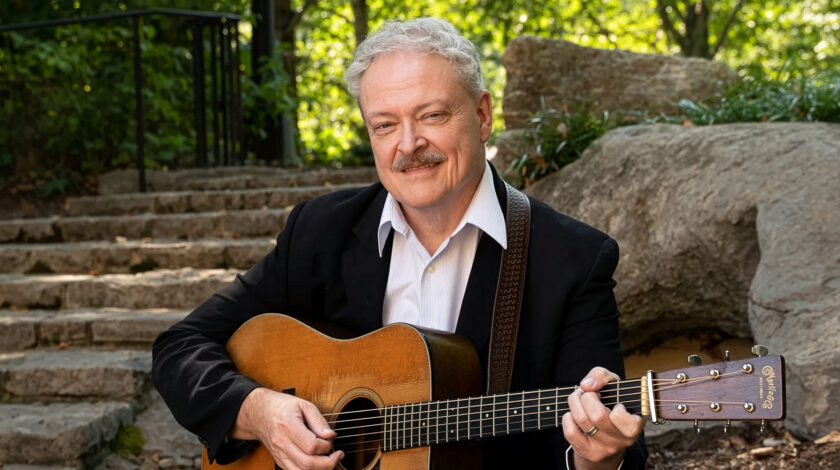
Reiner is himself a veteran fiddle player and teacher. He is two-time winner of Wisconsin’s state fiddle contest and at one time played with the band Southern Rail. Reiner also has a Ph.D. in computer science. So, in 2020, when COVID disrupted everyone’s lives and no one could attend the in-person Fiddle Hell, Reiner decided to organize and design an online Fiddle Hell. Reiner, with his passion for music and vast computer knowledge, was the perfect person to take on this project. Now in its eighth year online, Reiner has the support of his wife Cynthia Eid and their two sons, all members of the Reiner Family Band. As a team, they help with all aspects of logistics, before, during and after the festival.
Although the Reiners do not face the hassles and challenges of an in-person festival like finding a venue, dealing with stages, lighting and sound, and all the rest, Reiner and his family still deal with the many challenges of setting up a high-quality Zoom experience for both artists and attendees. Most of those challenges involve computers and the world of virtual communication such as scheduling, technical glitches with managing their Zoom platform, making sure that artists have good video and audio quality, and fielding all technical problems that may arise. In fact, Reiner devoted more than 400 hours just putting together the schedule this year. Eid told me that her husband basically works on Fiddle Hell all year long.
As far as the participant’s experience, Eid aptly sums up why she believes so many people like and attend FHO.
“It turns out that people have lots of reasons for participating. Many people are shy, and being able to play along, unheard by others, is perfect for them. People are unable to travel to a festival due to family obligations to children or parents. The costs of attending a festival in person are prohibitive for some people; the price of plane tickets or gas, hotel, and food add up!
Geographical limitations don’t exist online. People attend from around the world. The replays add a lot of value, since it can be difficult to set aside four full days, and it offers the ability to attend more sessions than are possible to attend in person.
Finally, it offers interaction and camaraderie, though the people are separated geographically.”
Eid is proud that the festival addresses what she and Dave consider the dominant musical challenges: musical thinking, the physical challenges, and expanding the sources of inspiration.
Austin Scelzo, an instructor and attendee, is a huge fan of Fiddle Hell.
He says…
“Folks like BB Bowness, Darol Anger, Ellen Carlson, many others and I have really enjoyed building a place for bluegrass music in this great fiddle community. I’ve loved listening to the thrilling concerts and diverse class replays while on a commute or doing work at home.”
Finally, you can be sure that I will be signing up and logging in next year. The experience initiated me into the advantages of Zoom meetings, already everyday events for many people. More importantly though, I now have a full spring and summer ahead of returning to the recorded workshops and improving my bowing technique, finding the groove of a tune, skillfully implementing pentatonic scales, adding ornamentation to Irish and Scottish fiddle tunes, and so much more.
If you are interested in checking out future Fiddle Hells, visit them online. There is still time to buy discounted tickets for replays of all 250 sessions for three months.