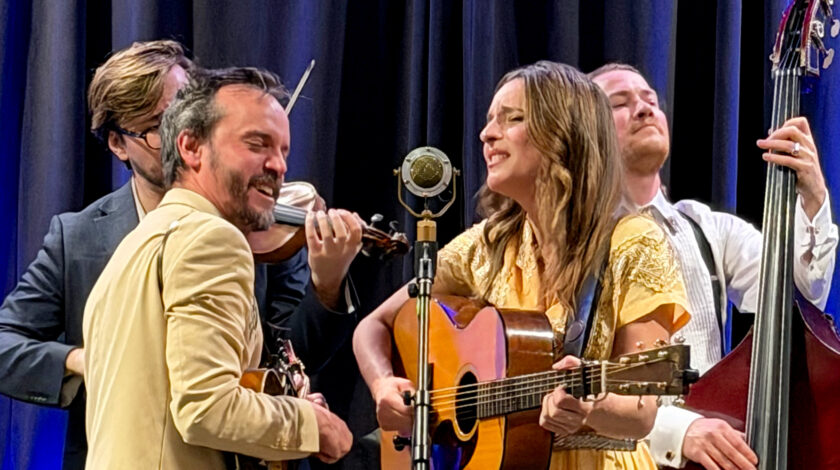
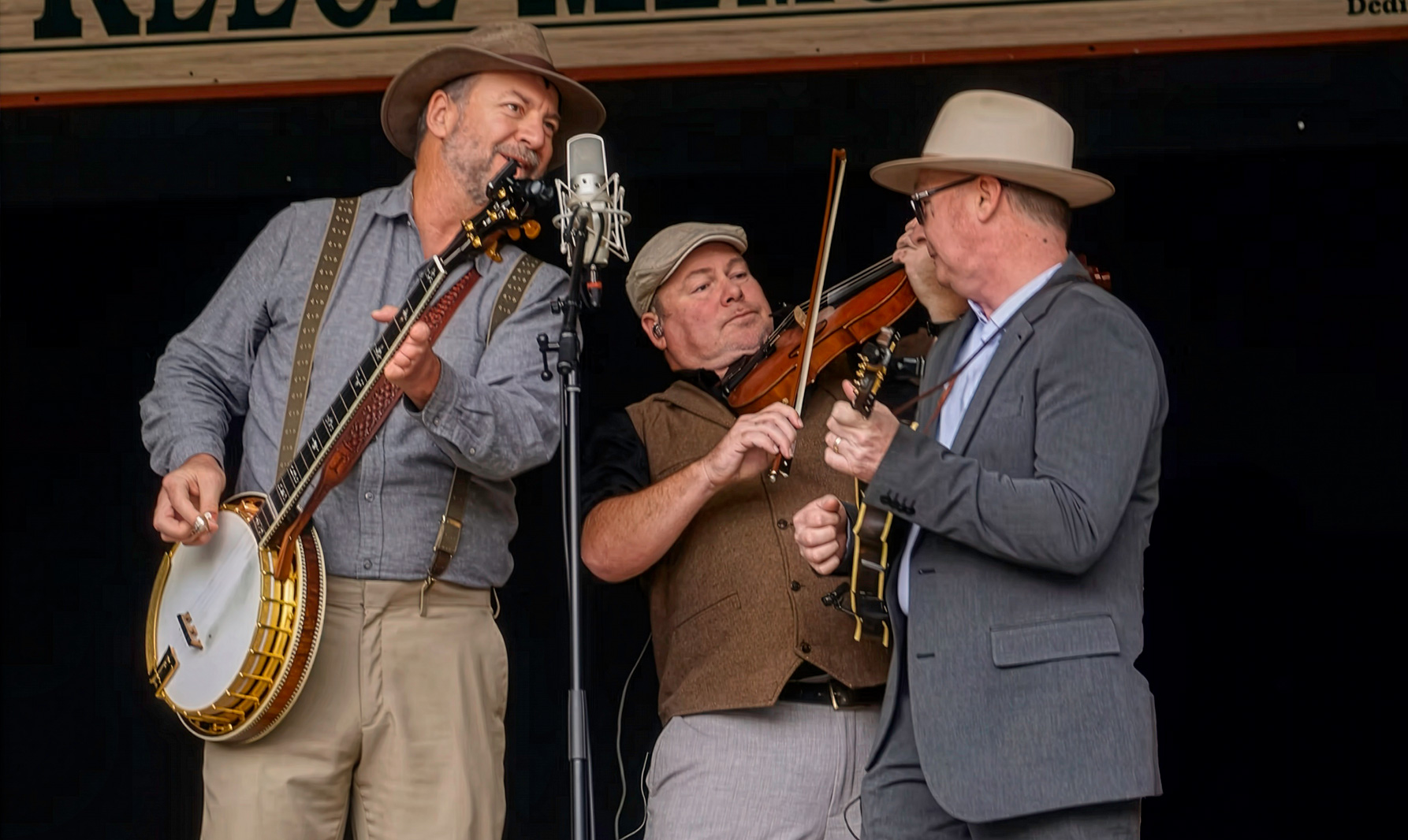
Appalachian Road Show – photo © Jeff Lahr
This article is a guest commentary from Jeff Lahr, music photographer, with WNC Concert Images in Waynesville, NC.
Streaming has made it easier than ever to hear the music we love, but it’s also made it harder than ever for the musicians who create it to make a living. In bluegrass—where the road is long, the margins are thin, and the music is built on community—fans play a bigger role than they realize. Supporting your favorite band in the age of streaming isn’t just possible; it’s essential, and it starts with a few simple choices that make a real difference.
In today’s streaming economy, ten thousand plays can earn an artist less than the price of a T‑shirt. For bluegrass musicians, the gap between what people listen to and what actually supports the band has never been wider. The good news is that fans have more power than ever to help the artists they love thrive, even in a digital landscape that rarely pays them fairly.
Streaming has changed the way musicians earn a living. Simply put, making good music doesn’t necessarily pay, especially in niche markets like bluegrass. Streaming doesn’t pay a set amount per play. Instead, artists earn a share of the total money based on their percentage of all streams, and Spotify takes about 30% off the top before royalties are divided. That setup ends up favoring huge artists with billions of plays, while smaller bands earn very little. This “pro‑rata” model heavily favors artists who generate massive, consistent stream counts—the top 1% of earners. Still, streaming does have a few advantages for artists. Many mid-level artists do benefit from streaming through discovery, catalog longevity, and international reach, even if the payouts are modest.
Caleb Smith of the band Balsam Range explained the impact of streaming this way: “Spotify and other streaming platforms are great for two kinds of artists. Well known pop artists can collect a huge number of plays that actually generate reasonable profits. It also helps new bands, providing them with a platform to bring their music to a potentially wide audience. But for most established bands, streaming does not provide much income, especially when compared to sales of albums and CDs.”
Radio play works very differently from streaming. Terrestrial or traditional FM/AM radio in the US only pays songwriters, not the performers or the band, so most bluegrass musicians earn no direct money when their recordings are played, unless they wrote the music. Even if a song is a massive hit, the musicians who performed on the recording receive no direct payment from that airplay. Airplay is still valuable to performers: even when the money is negligible, audio exposure boosts ticket sales, merch sales, and festival bookings, which is where bluegrass artists actually make their living.
Should artists be paid when their music is played on the air? It’s a question that has followed the industry for decades. Terry Herd, founder and host of the syndicated radio show Into the Blue, offered a perspective that captures the heart of the debate. “Terrestrial [traditional] radio has long served as one of the music industry’s most powerful promotional tools. For many bluegrass artists in particular, local and specialty radio programs provide exposure that might otherwise be difficult to achieve. Broadcasters have historically argued that this promotional value represents a significant contribution to the music ecosystem, while others maintain that performers should still be directly compensated when their recordings help generate revenue for radio stations. The ongoing debate reflects the challenge of balancing those competing perspectives in an industry that has evolved dramatically over the past several decades.”
A newer soure of income has emerged with the growing influence of social media. More and more artists are using the monthly subscription known as Patreon to supplement their income. Patreon is a social‑media membership platform where fans pay creators monthly for exclusive content. This subscription‑based platform allows creators to earn recurring income by offering exclusive posts, videos, lessons, behind‑the‑scenes access, early releases, or community perks to paying supporters. Banjo artist Anthony Howell is a force in bluegrass, playing with artists such as Michael Cleveland, Dailey & Vincent, Edgar Loudermilk, and Seth Mulder. He explains how he utilizes the service: “Patreon is a great thing for both the artist and the consumer and here’s why. Patreon is an outlet where fans can directly support the artist and it’s also way for fans to be closer to the artist. Here’s an example – When someone subscribes to my Patreon, they have immediate access to banjo lessons, videos and tablature. Doing this helps the artist financially as well.”
Without the income that in the past was generated by record or CD sales, musicians have come to rely on performance‑generated income to make a living. Ticket sales and merch sales are two important revenue streams for musicians. The good news is that this is an area where bluegrass excels. Bluegrass fans have always supported live performance, whether a single concert or a festival. They are loyal to the music they love. Bluegrass fans are truly different from those in pop music. Bluegrass fans identify as a community rather than just a mass audience. And bluegrass musicians are different from other genre performers, with many featured artists making their way to the merch table to interact with fans. In bluegrass, fans can talk to the band after the show, shake hands, take photos, and build relationships. In pop music, fans rarely meet the artist. At a bluegrass festival, it is not uncommon to see the artist jamming with fans in the parking lot.
Many of the best ways to support a favorite artist can be bundled into a single festival or concert experience. First, simply attending the performance puts real revenue in the artist’s pocket. Next, stop by the merch table and pick up their latest album directly from the band—and grab an autograph while you’re there. While you’re at it, add a hat or T‑shirt to your haul; merch sales are one of the most important sources of revenue in bluegrass (and you’ll save shipping and handling fees). Finally, when you get home, share your experience online, helping boost the band’s visibility and expand their fan base.
If you’re a fan who enjoys anytime access to free music through a streaming service, then you might have a few extra dollars to keep your favorite artists on the road and in the studio. Being aware of the changes in the music business and being intentional in your support of your favorite performers can help make their lives a little easier, and allow them more time to do what they do best … create music. When I pass the merch table and see something that I can’t afford, I pick it up anyway, and feel good that I’m supporting my favorite artist and keeping the music alive.