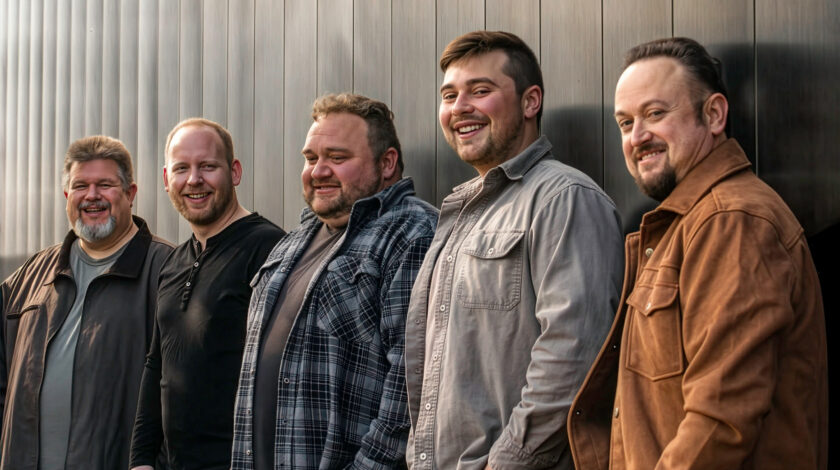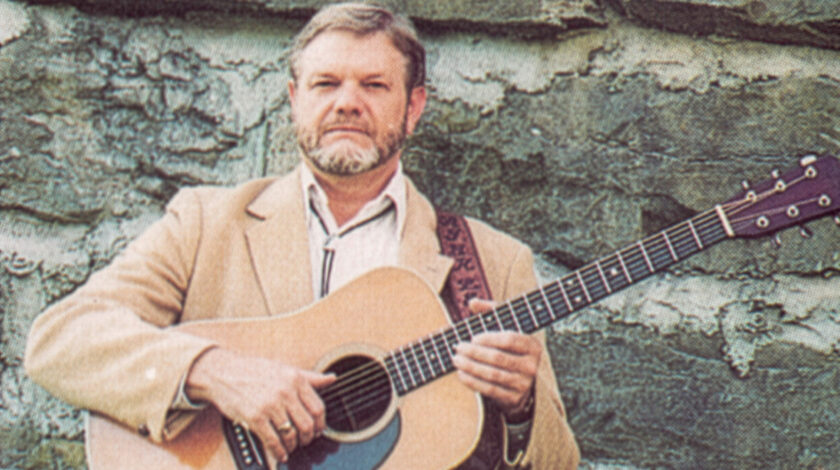
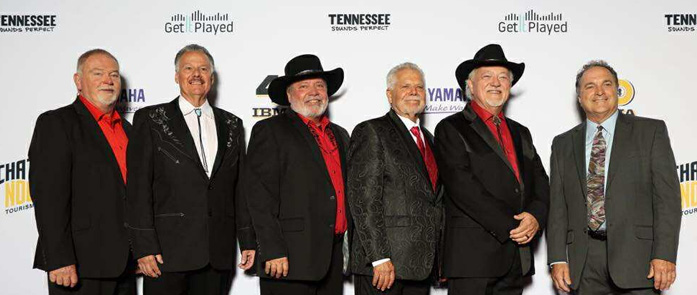
The Bluegrass Cardinals at the 2025 IBMA Bluegrass Awards – photo courtesy of IBMA
Each year we cover the bluegrass legends who are inducted into the Bluegrass Music Hall of Fame, but rarely about the process itself. A special Hall of Fame committee votes annually on who is most deserving, and typically elects three to five artists, bands, or bluegrass personalities into this gathering of greats.
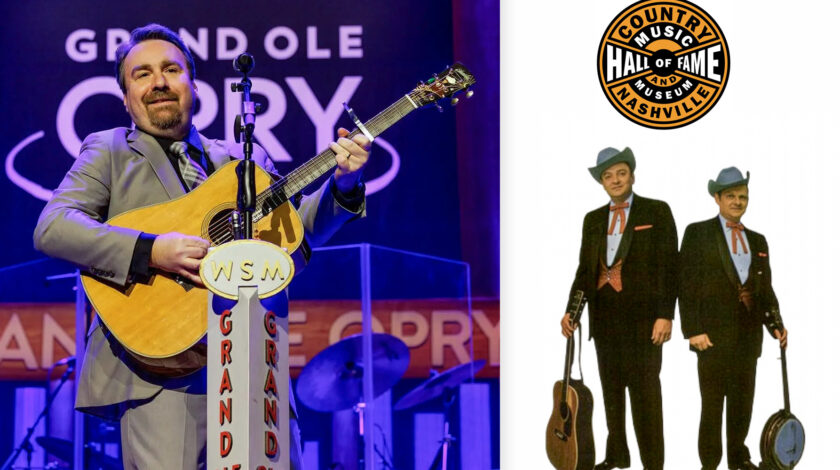
Not long after the 2025 inductions, we spoke with David Parmley, who went into the Hall of Fame as an original member of the Bluegrass Cardinals, about how it happens when you are chosen, their big night in Chattanooga, and the early history of the band.
“It’s funny, back in 2016, Paul Schiminger called, back when we had The Cardinal Tradition, and he said it looked liked the Cardinals were going into the Hall of Fame. But it never happened.
When they called this year, it was already determined, and we started working on the details.”
Those details included the actual wording on the Hall of Fame plaque, which will hang in the Bluegrass Music Hall of Fame & Museum, and the story of the band that would be read prior to the induction, which takes place during the IBMA Bluegrass Music Awards show each year.
“Jill and Amy at IBMA worked with us to get the script together for the presentation. Even though only four would be on the plaque, I had a few other prominent band members’ names that I wanted included. There were lots of people who played with the Cardinals over the years. Some just stayed a few months, so I didn’t mention them.”
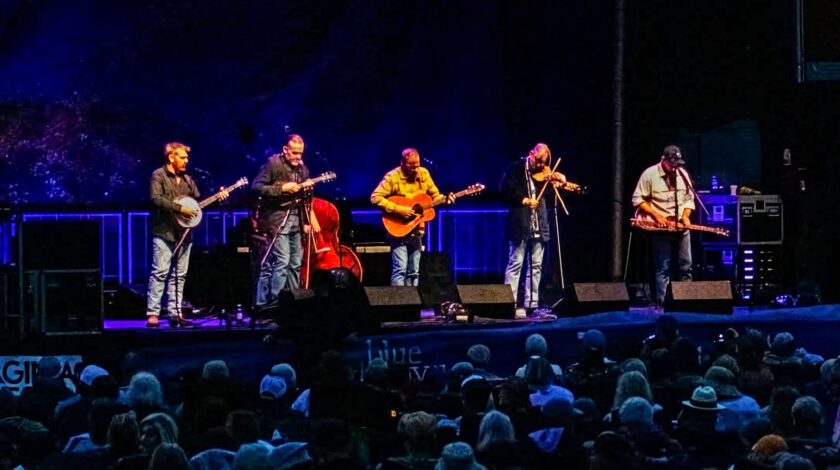
Then there’s the actual performance during the Awards show. For a retired band like The Bluegrass Cardinals, with multiple members over the years, most of whom hadn’t played together in quite some time, David had to choose who would be on stage with him for their big moment, and what songs they could include.
“They tell you that you have six minutes to perform during the show. I sat there and realized that I couldn’t possibly show what the Cardinals were about in just two songs. So I sat down with my guitar one day and tried to think of, OK, so we’ll do a verse and a chorus of this song, and then that song.
I got it down to six minutes and 56 seconds, and figured they won’t pull us off stage for going a minute over.
We did Blue Eyed Boston Boy, two Randall Hylton songs, 32 Acres and Mountain Laurel, Wake Up, Are You Missing Me, and the last verse of There Is a Fountain.”
David chose to perform the medley with Larry Stephenson on mandolin, Dale Perry on banjo, Randy Graham on bass, and Warren Blair on fiddle, all longtime bandmates in the Cardinals days. Current David Parmley Band fiddler Doug Bartlett was also on stage for the induction performance.
“We weren’t anywhere near each other to rehearse beforehand. We had about a half hour to do a sound check, and it took the audio guys a while to get everything laid out. Then we rehearsed it twice before the show the day of.
There were some nerves, but everyone is a pro, so we pulled it off.”
Indeed they did.
Talking about the Cardinals put David in something of a remembering mood. He was only 15 years old when the band started in 1974, and it certainly shaped the way his adult life would go.
The Bluegrass Cardinals became popular right away once they moved to Virginia in 1976, recording for Copper Creek Records. Their embrace of a contemporary bluegrass sound, dominated by David’s rich and soulful voice, and close, three-part harmony, won them fans all over the US.
David’s father, Don Parmley, played banjo with the group and was the spark that created the band. He was playing bluegrass around Los Angeles at the time, and had been the featured banjo player for all the incidental music on The Beverly Hillbillies TV show. Earl Scruggs, of course, played the theme song at the beginning and end of the program, but all the rest was Don.
David remembers it this way.
“Me and Dad and Randy Graham and Bill Bryson, we took a job in May of 1975. There was an audition for a bluegrass band to play at Busch Gardens in California, so we did that audition and were selected. Dad and Randy quit their jobs and I quit school, and that got us started.
After Busch Gardens we did a tour in the southeast, around Virginia, Maryland, and North Carolina. We spent eight weeks playing every gig we could muster up out east. So we decided to pack up and move to the east coast. The Red Fox Inn gave us Wednesday nights. We also played Charlie’s West Side around DC. So we started looking for a bass player, and picked John Davis.
We were getting ready to record for Rounder, and hired Warren Blair.”
They continued on as The Bluegrass Cardinals until 1997, even after David left to pursue a solo career in 1991. When Don was ready to retire, the band was dissolved.
David says that he is hopeful that his current band will play a show at the Bluegrass Hall of Fame & Museum in Owensboro, KY soon, so he can see The Bluegrass Cardinals plaque on the wall alongside all the greats of our music.
“We’re going to do a show, I think after the first of the year. And they’re going to do a display exhibit. We’re still getting those details together.
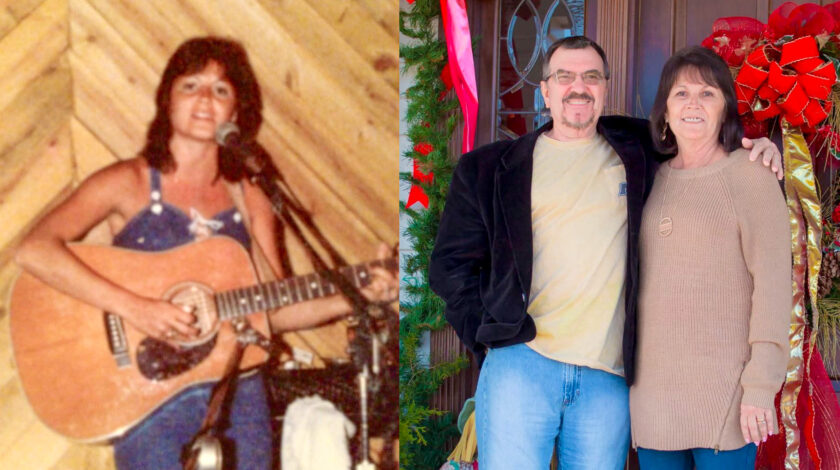
The thing about me is that I don’t really keep a bunch of stuff. So I’m going through my mom’s collection, and Randy has kept a bunch of stuff too.”
The inevitable question couldn’t be avoided, so I asked. What would your dad think of seeing The Bluegrass Cardinals in the Hall of Fame?
“You know, Dad never thought nothing about awards or anything like that. His thinking was, if we’re working and making a living, we’re winning.
He tended to keep his emotions close, but he would have been very proud.’
David is working now on a 50th Anniversary album that will include new recordings of Bluegrass Cardinal classics, and some new material as well, featuring many of the members of the band over the years, and some very special guests. Look for that in 2026 from 615 Hideaway Records.
You can keep up with his tour dates online.