
During IBMA’s World of Bluegrass in 2025, artificial intelligence received a chilly reception from the bluegrass world. Many publishers and artists were reluctant, if not downright hostile, to the idea of accepting AI-aided demos from songwriters.
What a difference a year makes, as panelists at two events in Chattanooga made clear.
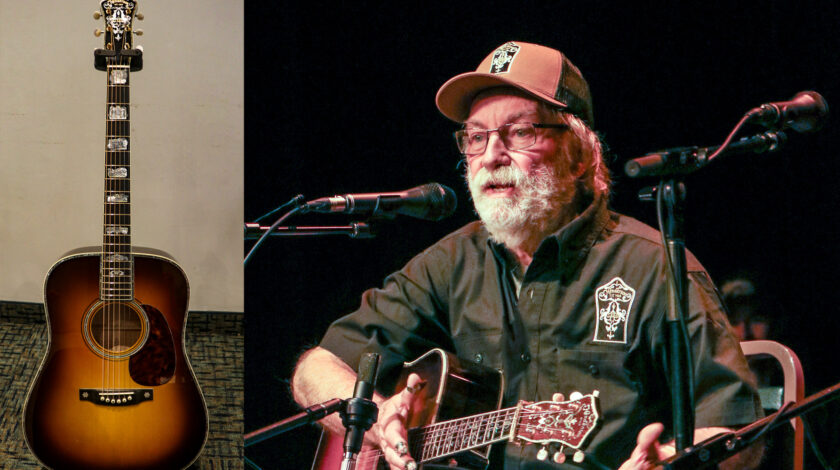
“It’s not going anywhere,” said Bob Minner, a songwriter and artist for Billy Blue Music, and touring guitarist in country artist Tim McGraw’s band. “It’s here to stay.”
Minner was one of three bluegrass luminaries taking part in a broad, balanced panel discussion called “Love It or Shove It: The Present and Future of AI Demos.” The panel, presented by IBMA’s Songwriting Committee, not only had the best title of any offering this year, but also was the best panel discussion on any topic that I remember since I started covering World of Bluegrass in 2010.
A year ago, Minner, Stephen Mougin, and Joe Dan Cornett might just have said, “no, no, no,” and that would have been it. But this year, following major changes in the industry, their answers were thoughtful, nuanced, and balanced. They examined the issue at length, digging into both the economic and moral sides of the equation.
Some things are still verboten, and are likely to remain so. If these no-nos were boiled down, the commandment might read: “Thou shalt not use AI to write lyrics or create melodies.”
To Cornett, who has been a successful publisher in bluegrass, country, and gospel, the bottom line is carved in stone: “You have to do the work first, so that Suno is working with your lyrics and your melody,” he said, referring to the primary AI program in use by songwriters. “It’s a tool to enhance creativity, not replace creativity.”
Minner agreed. “A song should come from you. It should come from your soul,” he said.
But while the panelists were deadset against using Suno to wholly create songs, they agreed there is an economic advantage to using it to make demos. With a bit of experience, writers who used to create work tapes of their new material, then spend hundreds of dollars and wait for weeks to get a demo back, can now leave the writing room with a suitable product to pitch.
But there’s a learning curve to dialing everything in. Sometimes a mandolin chop comes out sounding like a drum. Also, as Minner noted, “a banjo on Suno doesn’t really sound like a banjo.” Simply put, AI can’t make a bad song sound good, but it can make a good song sound mediocre, or worse. A Suno demo also isn’t great at delivering emotion, the way a great picker or vocalist can.
Mougin, who runs Dark Shadow Recording and plays guitar in the Sam Bush Band, said that just as in the old days of pitching work tapes or demos, quality is key. “We can recognize a bad AI demo instantly,” he said. But even the good ones don’t sound radio ready, the way some great demo recordings from Nashville pros can. A song might sound terrific at first, but a closer listening brings the feeling that something isn’t quite right.
That’s a major concern for Mougin. “One big worry is AI is making everything average,” he said. “Homogenized music is not what I want to listen to.”
At another panel, sponsored by Get It Played, one of the participants spelled out a startling reversal in just one year. In 2025, when Tall Oaks Music rolled out its new music publishing business under Keith Barncastle’s Turnberry Records umbrella, Donna Ulisse said she and bluegrass legend Doyle Lawson drew a line in the sand: No AI recordings. It wasn’t novel; other Nashville publishers had similar policies.
This year, a good AI demo that matches the melody and lyrics of the original worktape is fine, maybe even preferred.
“We fought the good fight in the beginning because we didn’t understand it,” said Ulisse, an artist, writer and publisher.
She’s still wary of a troubling downside: “You can cheat with AI.” But, she learned, the technology can also help breathe new life into old songs. “My guitar playing sounds like I’m wearing a boxing glove.” But by using AI on songs in her catalog that haven’t been demoed, “I’m giving those songs new life. It’s a beautiful tool.”
To Ulisse, the softened position is adaptation, not surrender. “Everything has morphed over the years,” she said. “It’s either figure it out or get run over.”
Resistance is futile, members of both panels seemed to suggest. “It’s in your banking. It’s in your cellphone. It’s in your music preferences. It’s not going anywhere,” Mougin said of the AI-music partnership. “It’s here to stay.”