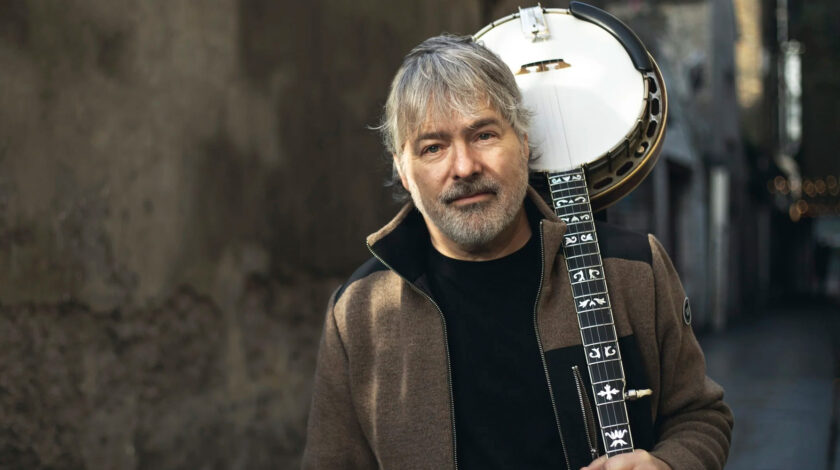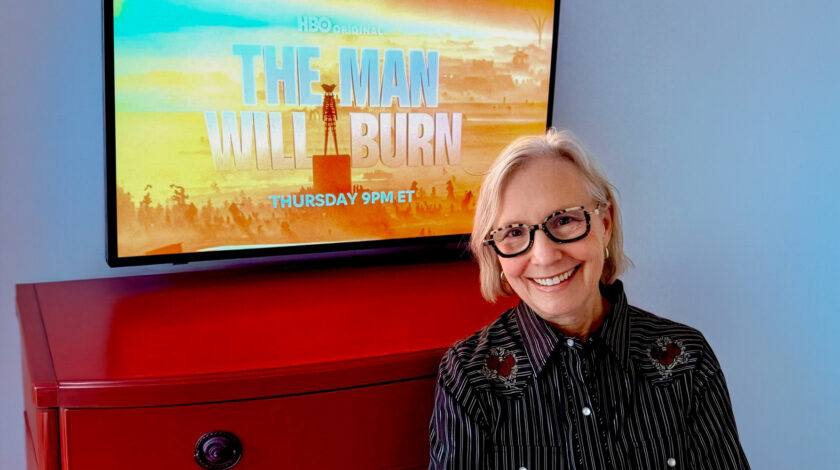

How a lost record deal and a few words from Waylon Jennings helped her build a career entirely her own
One of the biggest mistakes artists make is waiting for someone else to believe in them before they allow themselves to believe in what they are doing.
We wait for a record label to offer us a deal, a manager to recognize our potential, a festival to put us on the lineup, or a radio programmer to decide our music deserves to be heard. Until one of those things happens, it can feel as though we are still standing outside the music business, hoping someone will eventually open the door.
Valerie Smith once had that door opened for her. Early in her career, she landed the kind of Nashville record deal most artists dream about. It appeared that someone had finally chosen her and that the next phase of her career was about to begin.
Then, in one dramatic moment, she lost it—and worried she might be arrested.
In this episode of DIY Bluegrass, special guest Valerie Smith shares the remarkable circumstances that led to a producer’s broken nose, a lost contract and, ultimately, the creation of her own musical career ecosystem.
It’s certainly the part of the story that grabs your attention, but it’s not the part that stayed with me. What captured me was everything Valerie did afterward.
She could have treated the loss of that deal as proof that her chance had passed, and spent the next years trying to convince another label to replace what she had lost. Instead, she kept moving, kept performing, and never stopped building a career that no single producer, executive, or company could take away from her.
My favorite quote from the entire interview is Valerie stating, “If it’s meant to be, it’s up to me.”
That distinction matters because musicians are often taught to treat every opportunity as though it may be our only one. We tell ourselves this meeting has to work, this single has to chart, this promoter has to call back, and this label has to say yes. When we place that much weight on one person or opportunity, we also hand over an enormous amount of control.
Of course, the right partnership can change a career. A great label, manager, booking agent, or producer can provide resources and connections an artist may never have been able to access alone. There is nothing wrong with wanting those relationships. The problem begins when we decide we can’t move without them.
After the incident, Valerie received some sound advice from Waylon Jennings that changed the way she looked at her career. Rather than waiting for another record company to decide whether her music would be released, he encouraged her to create a label of her own.
She went on to found BuckleDown Productions, which houses Bell Buckle Radio, Bell Buckle Video, Bell Buckle Records, and Valerie Smith Music. She became far more than a performer waiting to be signed. She became a label owner, producer, educator, videographer, radio personality, and creator with the ability to develop her own projects while helping other artists develop theirs.
This is the part of independence we don’t talk about enough.
DIY does not simply mean making an album without a major label. It means accepting responsibility for moving your career forward, even when the person or company you hoped would help you never appears.
It also does not mean you have to do everything alone. In fact, trying to personally handle every aspect of a music career is usually a fast route to exhaustion and several poorly answered, 2:00 a.m. emails. You can hire people, find collaborators, sign a record deal, work with a publicist, or bring in a booking agent. The difference is that those people become part of the career you’re building rather than the people granting you permission to have one.
I hear artists say they are waiting all the time. They are waiting until they have enough money to record, until they find a manager, until their following is larger, until they write a better song, move to Nashville, or finally feel ready.
Sometimes there are valid reasons to wait, but waiting can also become a very comfortable hiding place. As long as we are waiting for someone else, we never have to risk finding out what might happen if we choose ourselves and stop waiting on a genie to grant our wish.
Believing in yourself does not mean assuming you are entitled to success. It does not mean every song is brilliant, every idea is profitable, or every audience will care. It means believing your work is worth continuing before the rest of the world has confirmed it.
Valerie didn’t allow the loss of one deal to become the final judgment on her future. She kept learning, releasing music, touring, developing other artists, and following creative ideas that probably would never have fit neatly into the plan someone else might have designed for her.
Her latest project, Maggie’s Journal: A Historical Musical, is another example of what becomes possible when an artist has the freedom to follow their own instincts. Based on the journal of Valerie’s great-grandmother, Margaret Atterbury Brooks-McCamis, the production brings together family history, storytelling, and music in a project that is deeply personal to Valerie.
That kind of work is not created by waiting for the market to request it. It begins because an artist believes an idea deserves to exist, and then finds a way to bring it into the world.
Waylon Jennings may have helped Valerie recognize that she could create her own label, but she was the one who had to believe she was capable of building it. That’s the aspect independent artists need to remember. We can’t spend an entire career waiting for someone else to believe in us strongly enough to begin. At some point, we have to release the song, make the call, book the show, create the project, or build the company before we have proof that anyone else will care.
Losing her first record deal could have convinced Valerie that her chance had passed. Instead, it pushed her to create something larger, stronger, and entirely her own. A record deal might have introduced Valerie Smith to the business, but losing it helped her learn how to build one.
This article was inspired by my full conversation with Valerie Smith. To read the extended feature with additional stories and reflections, visit Ashley Lewis online.