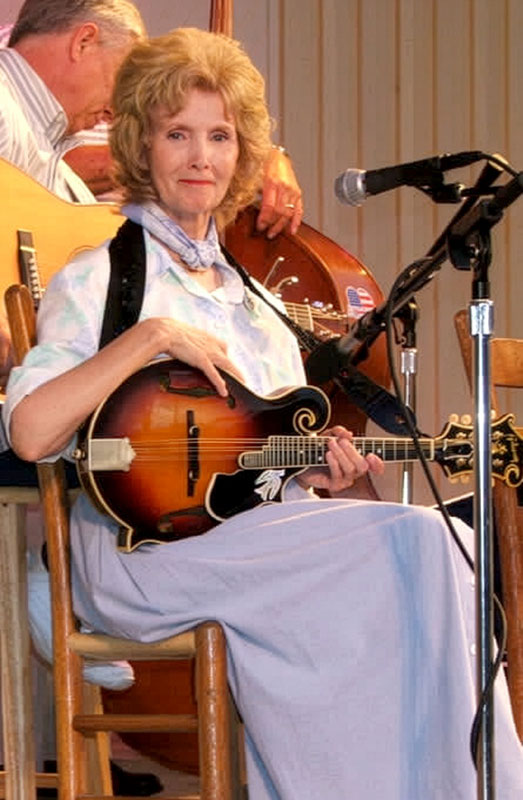
It’s the end of a musical legacy. Donna Laverne Stoneman, age 92, the last living member of the famed Stoneman family, passed away on Sunday, June 28, 2026. Billed as “the First Lady of the Mandolin,” she was preceded in death by her fourteen siblings. (Her parents, Pop and Hattie, bore 23 children, but only 15 survived to adulthood.) The Stoneman Family had their own half-hour syndicated TV show from 1965-1969. They were inducted into the Bluegrass Music Hall of Fame in 2021.
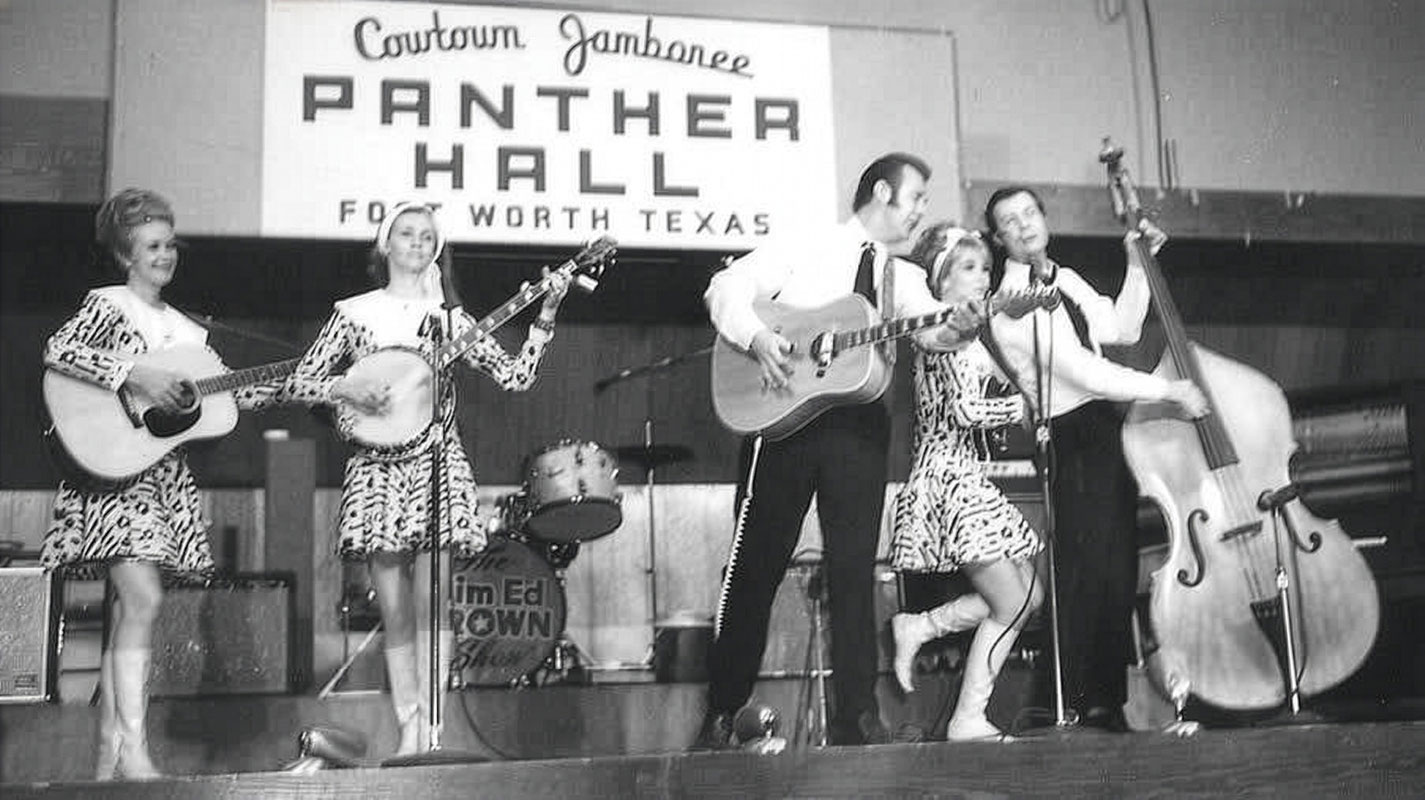
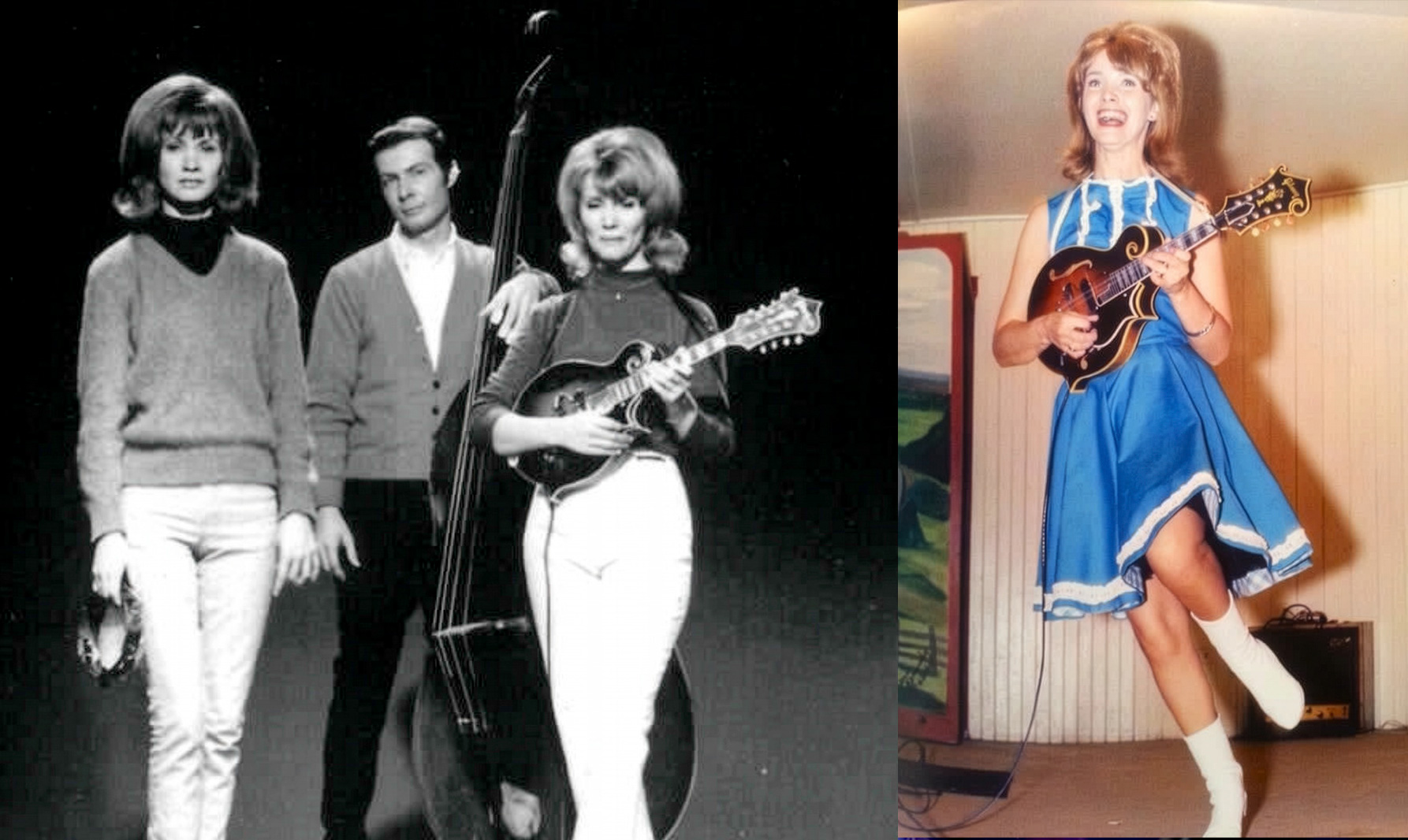
Donna earned rare praise from fellow mandolinists, Bill Monroe and Jethro Burns, and contributed her mando work to the pioneering bluegrass album by Rose Maddox in 1962. She was more than a mandolin player in her family band, she was a show stealer, bouncing around stage in her white go-go boots, singing, playing, and adding a whole new level of energy to each performance.
Life wasn’t easy in her early childhood. Donna grew up in Virginia in a one-room cottage shared by her large family. She left school after seventh grade, but had learned music starting at age eight, and obtained a Gibson F-5 mandolin when she was 18.
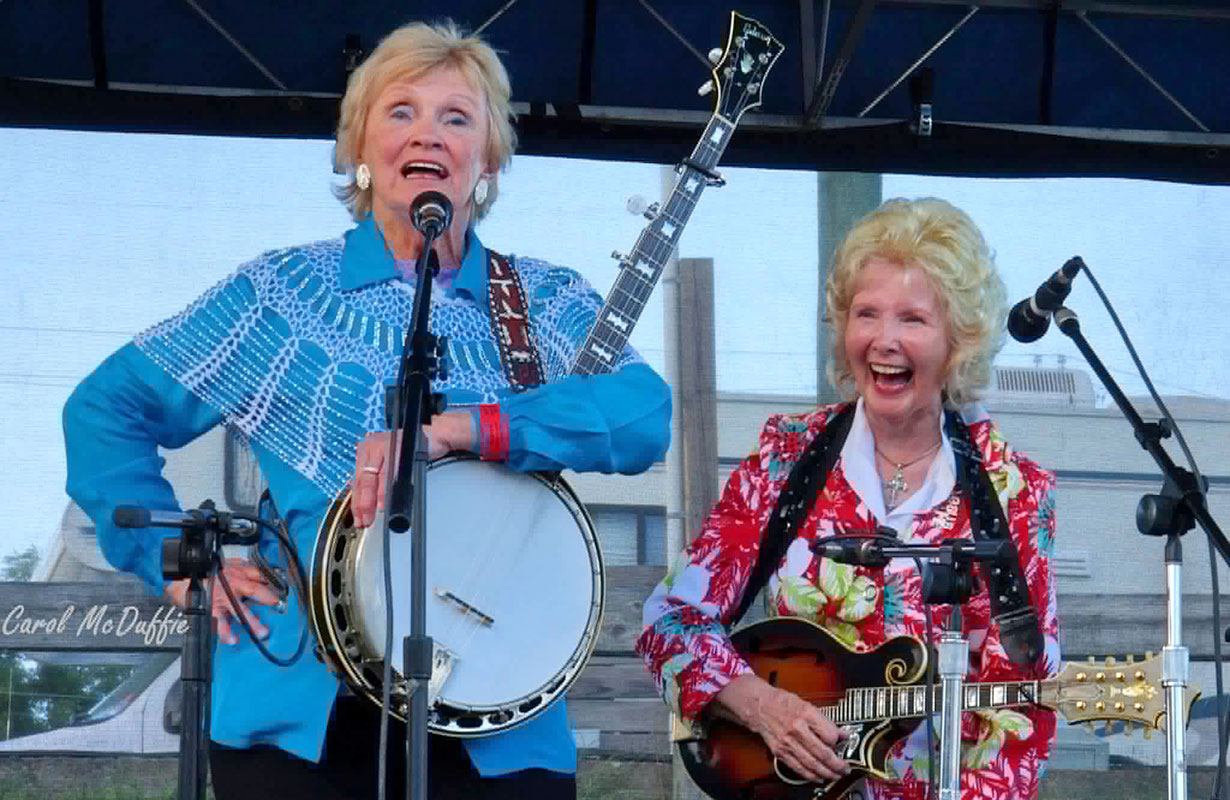
Donna and her musical family won a contest on Arthur Godfrey’s Talent Scouts TV show in 1956 as the Blue Grass Champs. In 1962, they debuted on the Grand Ole Opry and relocated to Nashville in 1966. In the early ’70s, Donna reinvented herself, playing almost strictly gospel music. She became an ordained minister in 1982. Throughout the years, she would rejoin her family for musical reunion shows and maintained a longtime partnership with her banjo-picking sister, Roni (of Hee-Haw fame), who passed in 2024.
Tom Isenhour of Salisbury, NC shared of his relationship with Donna…
“My first time seeing Donna live was at the Concord, NC County Fair in 1964. She was everything I had seen live on TV back in the mid-60s. Her unique, quick stroke, mandolin style was like none I had ever seen live when I was a teenager. I wanted so bad to get a used ’50s Gibson F-5 like hers, thinking that might help me pick like her.
Bluegrass music back then was dominated by male instrumentalists and singers. Donna played and sang not just as part of her family band, but as a stand-out soloist, which was rare for a woman at the time. Her flamboyant stage clothes, high energy, and technical talent made her a role model for young girls who saw her performing on television, and in live shows like I did. She wasn’t just participating in bluegrass music—she was redefining how a bluegrass band could entertain with emotions with female artists.
Like many performers who spent decades on the road in buses, Donna Stoneman faced personal and professional hardships. But in later years, she experienced a spiritual transformation and began performing Christian bluegrass and gospel music, often incorporating her faith into her musical appearances and testimony. She continued to perform at bluegrass and gospel festivals, bluegrass venues, and church performances to spread her words of Jesus, always bringing the same energy and charisma that made her a bluegrass legend.
When I last saw her at a live performance in Galax, VA in 2017, she still had what it needed and her sparkling personality was still brightly shining as she had done as a teenager. When we talked backstage, I mentioned that I had a puppy crush on her which made me want to learn the mandolin even more. Donna told me, ‘Oh, you just liked my white boots made for dancing.’ I wish I could have seen her more often growing up after falling in love with her mandolin picking. R.I.P – The Queen of the Bluegrass Mandolin.”
Donna was buried in Mt Olivet Cemetery in Nashville, TN.
R.I.P., Donna Stoneman.