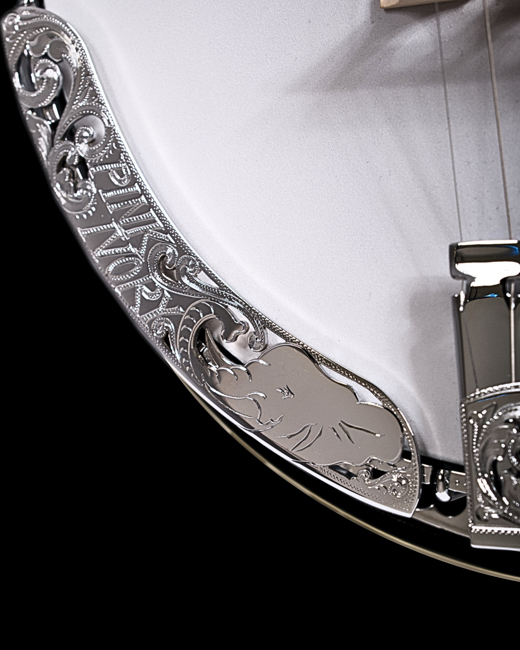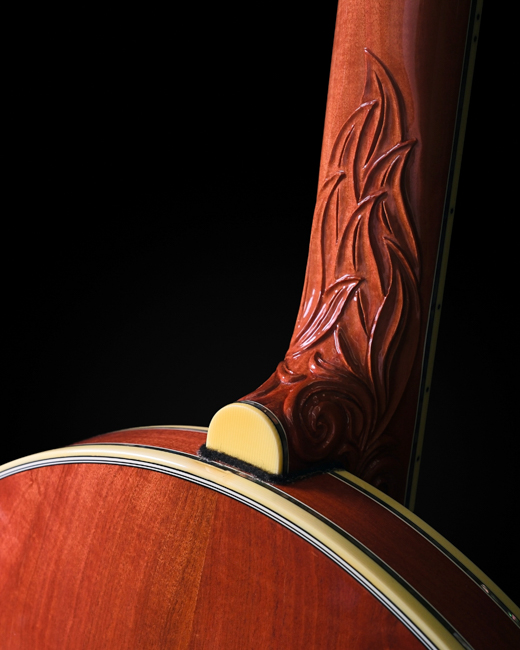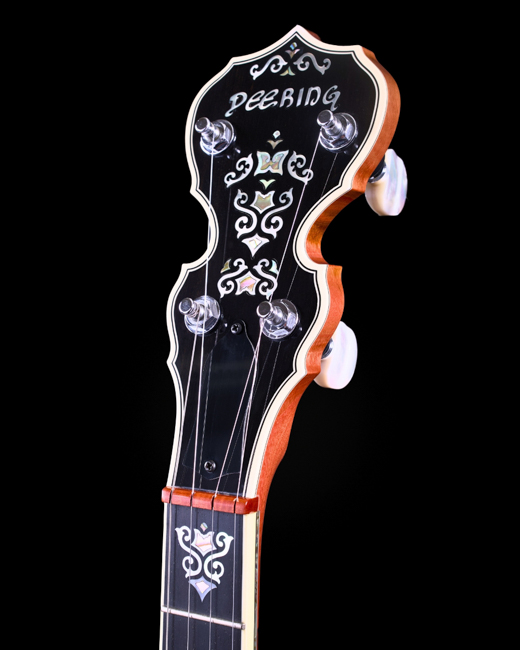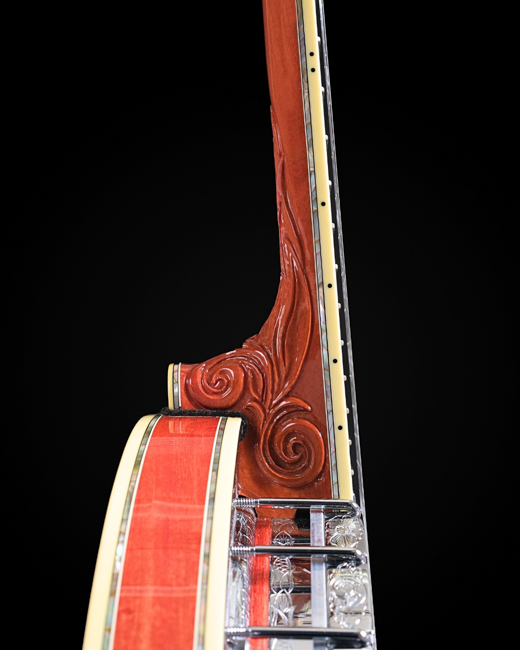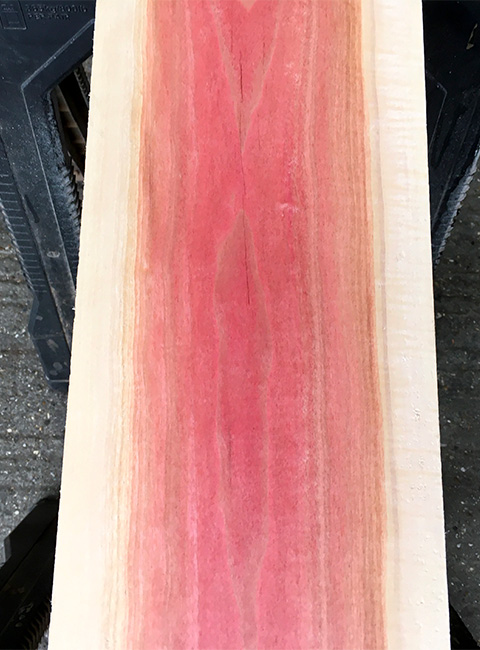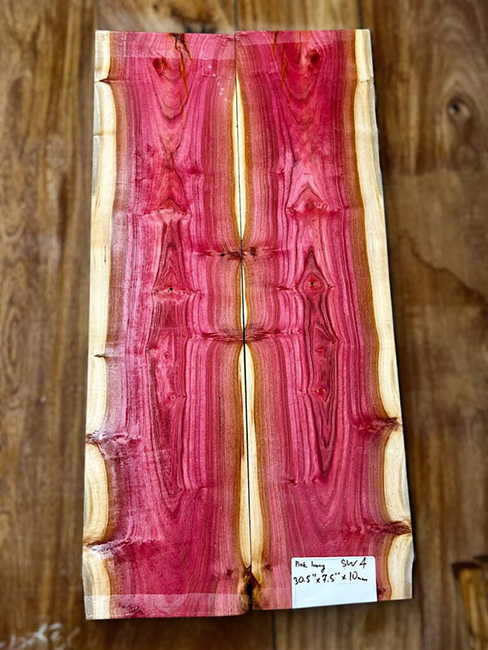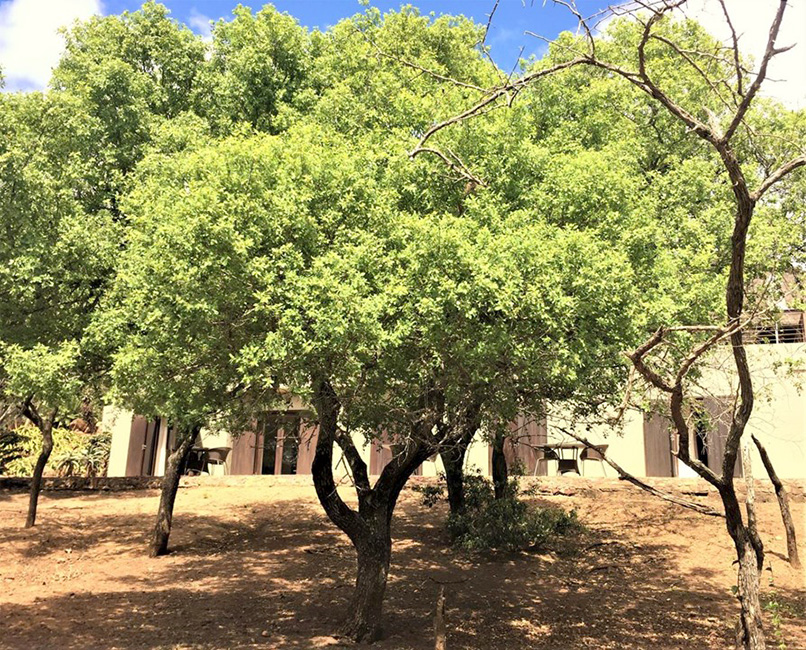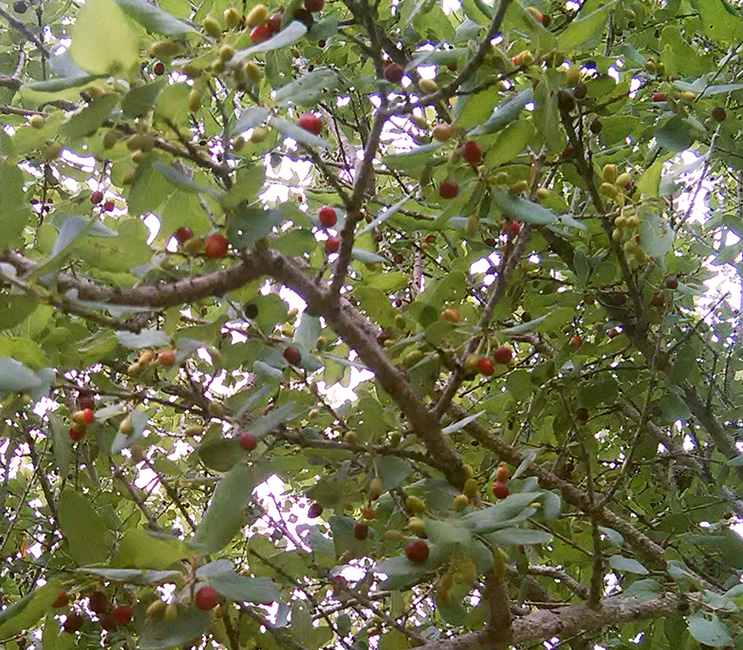
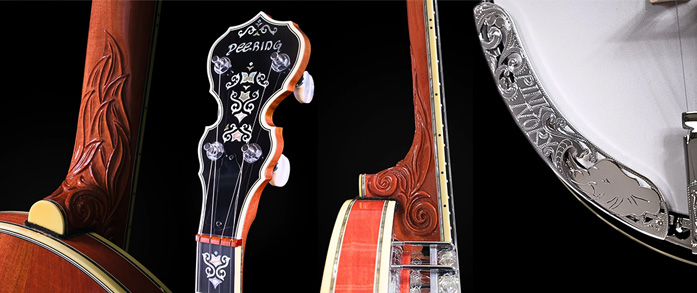
The Deering banjo company has unveiled a true museum piece, a spectacularly rare instrument they have dubbed the Pink Ivory banjo. The name derives from the wood used in its manufacture, known variously as pink ivory, red ivory, or in the languages of southern Africa where it grows, as umnini or umgoloti.
Its rarity is a factor of the time the tree requires to reach maturity, measured in centuries. Pink ivory is an extremely dense hardwood (990 grams per cubic decimeter), even more so than ebony, meaning that it is also quite difficult to work with. Drying time can be as long as ten years to find pieces without cracks or splits.
But finding a piece large enough to build a guitar or banjo neck is even more uncommon, and the chief reason why you do not typically see instruments made of this wood.
Greg Deering set out to build this Pink Ivory banjo as a challenge, never meaning it to go up for sale, and it was completed in 1998 for his private collection. Now, as the company celebrates its 50th anniversary, they have released photographs, and this video of Wes Corbett playing two of his original compositions (A Waltz for Courtney and Camp Sherman), plus an improvised piece.
Check it out.
Pink ivory grows primarily in Zimbabwe, Mozambique, Northern Botswana, and South Africa, and in certain times of tribal history was reserved for the use of royals because of its rarity.
Deering made this distinctive instrument with pink ivory for the neck, the nut, and the resonator veneers, combined with a traditional pot assembly, engraved chrome-plated parts, and a mix of abalone and mother of pearl inlays and binding.
They describe it thusly…
“This banjo is more than just an instrument—it is an heirloom, a symbol of craftsmanship and artistry. The dense grain of Pink Ivory produces a tone that is rich, balanced, and full of life, with deep bass notes and bright highs.”
When I asked Jamie Deering if the Pink Ivory banjo was for sale, she indicated that they would entertain offers, but were not comfortable expressing the sort of figure that would be required. Anyone interested in obtaining such a one-of-kind instrument is welcome to contact Deering by email or phone (800-845-7791).